Thursday, July 26, 2018

Pura Besakih

pura besakih


Pura Besakih is a temple complex located in Besakih Village, Rendang District, Karangasem Regency, Bali, Indonesia. Komplek Pura Besakih consists of 1 Pura Pusat (Pura Penataran Agung Besakih) and 18 Pura Pengamping (1 Pura Basukian and 17 Pura Lain). In Pura Basukian, among them is a holy place given by God by Hyang Rsi Markendya, the forerunner of Hindu Dharma Religion now in Bali, as its center. Pura Besakih is the center of activity of all temples in Bali. Among all the temples belonging to the Pura Besakih complex, Pura Penataran Agung is the largest temple, the largest of its pelinggih buildings, the largest of its kind and the center and all the temples in Pura Besakih complex. In Pura Penataran Agung there are 3 statues or main temple symbol of the nature of God Tri Murti, namely God Brahma, Lord Vishnu and Lord Shiva who is the symbol of the Creator God, the God of Sustainer and the God of the Fuser / Reincarnation. Pura Besakih is on the UNESCO World Heritage Site proposals list since 1995.

Copyright Image Flickr
Meg Williams2009
Location
Ubud,Bali,Indonesia
Download Full-Res Image

Goa Gajah

The way the arch into Goa Gajah Temple


Goa Gajah
Goa Gajah And Ritual


swimming baths

water fountain
The way the arch into Goa Gajah Temple

Although the origin of this cave is uncertain, it is believed to have been built as a place for spiritual meditation. One folktale tells that it was created by the legendary giant nails of Kebo Iwa. However, examining his style, the sanctuary probably dates from the 11th century of the Kingdom of Bali. The complex contains Hindu and Buddhist imagery, because the cave contains lingam and yoni, Shiva symbols, and Ganesha images, while on the banks of the river there are carvings of stupas and chattra images, images of Buddhism.
The cave was rediscovered by Dutch archaeologists in 1923, but fountains and bathing pools were not found until 1954.

Copyright Image Flickr
Meg Williams2009
Location
Ubud,Bali,Indonesia


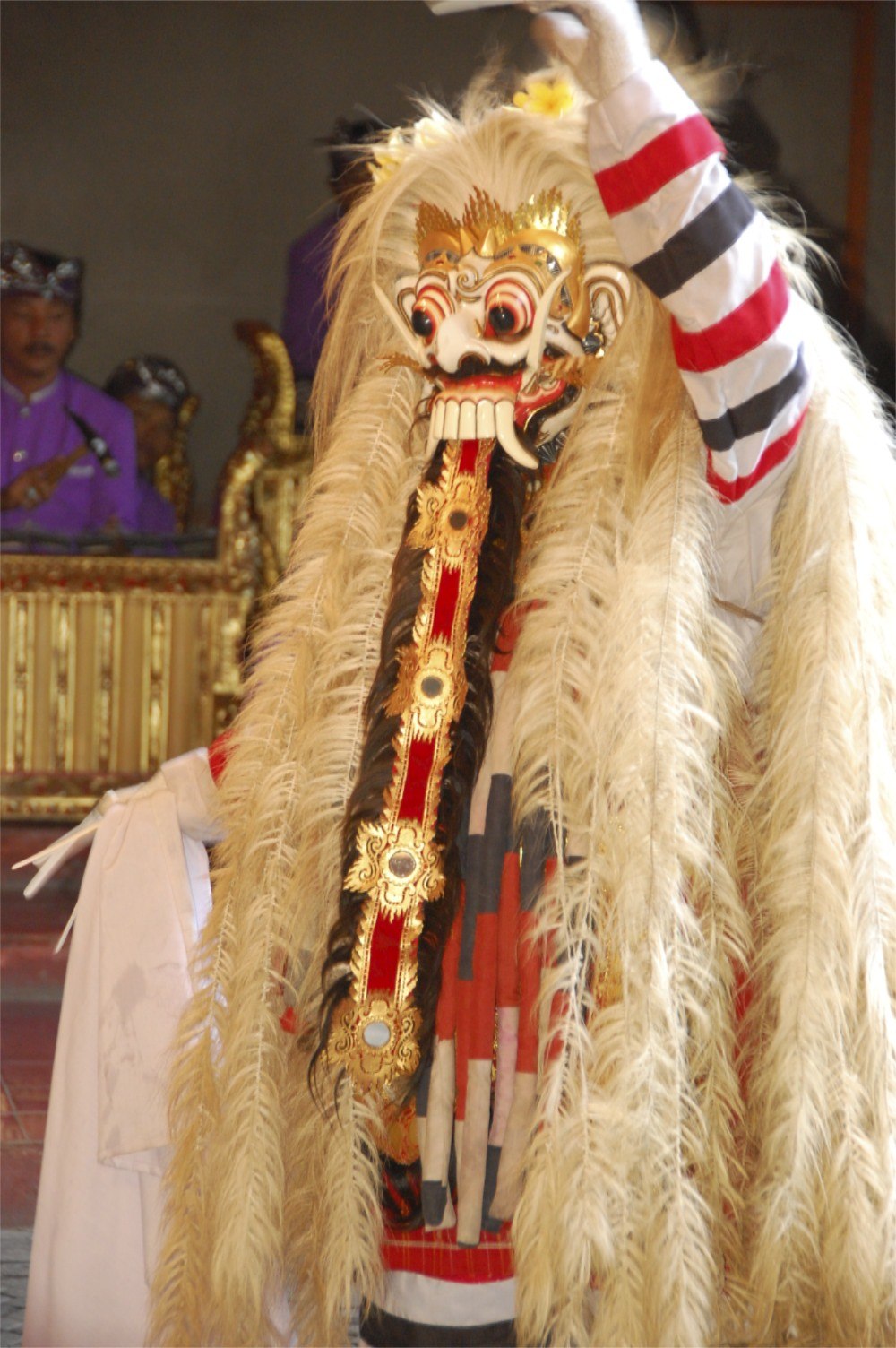
Rangda

Rangda
Statue Rangda
Dance rangda
Rangda is the queen of leaks in Balinese mythology. This frightening creature is told to often kidnap and eat small children and lead the evil witch forces against the Barong, which is a symbol of good strength
The further development of Rangda's term for widows is increasingly rarely heard, because it is feared to give the impression of uncomfortable considering Rangda's form of 'aeng' (spooky) and scary and identical with people who have knowledge of the left (pengiwa). This is especially true in folklore shows. In other words, there is the impression of fear, offense and embarrassment when it is said to be able to sigh neranguh (ngeleak). Indeed the above understanding is more inspired by the folk tales in which there are elements of Rangda.
The story that has the most influence is Calonarang.

Copyright Image Flickr
Meg Williams2009
Location
Ubud,Bali,Indonesia
Download Full-Res Image 

Puri Agung Peliatan

Puri Agung Peliatan


Puri Agung Peliatan
History Peliatan CastlePuri Agung Peliatan is one of the old castles in Bali that stood since the 17th century.
According to some chapters and research of foreign nations, Ubud in the XVII century still consists of rice fields and shrubs, and forest. A small part already inhabited by a population consisting of Kuwu-kuwu (the Cabin), they inhabit the territories, Jungut, Taman and Bantuyung. Still a territory of the kingdom of Sukawati which stood around 1710, with its first king named Sri Aji Maha Sirikan, Sri Aji Wijaya Tanu.
With the success of the formation of the reigning authority in Sukawati, the court's followers were then sent in the late 1700s to secure the area of ​​Ubud. A pair of cousins ​​form a rival community in Padang Tegal and further north in the Park area. After the ensuing battle between the neighboring villages of King Sukawati sends his brothers Tjokorde Ngurah Tabanan to Peliatan and Tjeban Tangkeban for Sambahan to build the palace with the idea of ​​controlling the troubled areas.
Despite the initial feudal struggle between the Peliatan and Mengwi kingdoms, the two overcame their differences after the battle that was said to have involved magical powers. After that, people from Mengwi were moved to help fill Ubud and during the late 1800s the whole region began to flourish with abundant supply of rice and a booming economy.
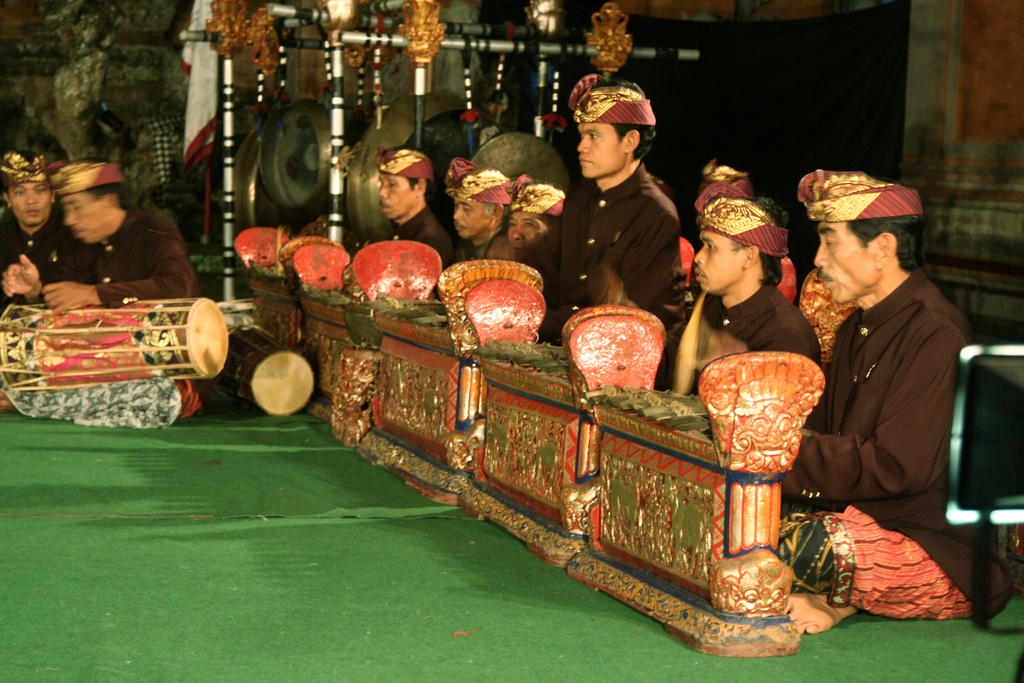
you can know the history of the kingdom in the peliatan and every Saturday & Sunday usually there is a typical dance peliatan.

Copyright Image Flickr
Meg Williams2009
Location
Ubud,Bali,Indonesia
Download Full-Res Image

goa lawah candi goa lawah ceremony goa lawah Goa Lawah Pura Goa Lawah is located in the village of Pesinggahan, Klungkung...